Between the first of September and the end of January, more residency deadlines close than in the other seven months of the year combined. That's not a metaphor — it's the shape of the application calendar, and it means the next five months decide most of what your 2027 looks like.
It also means you can't apply to everything. There are well over a hundred open calls in the RMAR directory closing between now and the end of January. Application fees add up, application hours add up faster, and the honest move is to pick a short list and do those applications well.
So here's a short list. Twenty-five deadlines, pulled from RMAR's own open-call data, chosen for a deliberate mix: the canonical programs you'd regret missing, lower-profile programs where your odds are quietly better, zero-fee calls, international options, and enough spread across disciplines that painters, writers, composers, and ceramicists all have something to circle. Every entry lists the fee situation up front — if a program charges to apply or charges to attend, you should know before you click.
One caveat that applies to the whole list: deadlines move. These are the dates in our listings as of publication, but confirm on the program's own application page before you build your month around one. If something's changed, tell us — the listing gets fixed for the next artist.
September
The second-densest application month of the year. If you only have energy for one sprint this fall, make it this one.
- Pioneer Works — September 7 · no application fee. Free studio and an honorarium in Red Hook, Brooklyn; visual arts residencies run five months, music runs one. No housing — this one's for artists who can get themselves to New York.
- MacDowell — September 10 · no application fee. The Spring/Summer 2027 session, March through August. The canonical American residency: exclusive studio, private room, three meals a day, selection on artistic excellence alone. Remember the 24-month rule — one application every two years, so make this one count.
- Art Omi — September 14 · $15 application fee, residency fully hosted. Roughly two dozen international artists plus visiting critics and curators in Ghent, NY, June 17 – July 12, 2027. Room, board, and studio covered. They ask for five-plus years of demonstrated practice — this is a mid-career call.
- Hedgebrook — September 15 · no application fee. Two to six weeks in a private cottage on Whidbey Island for women-identifying, non-binary, and gender non-conforming writers, with meals and a travel stipend. All genres.
- Monson Arts — September 15 · no application fee. Two to four weeks in the Maine Highlands with private studio and housing provided. One of the best under-applied-to programs in New England — a town that rebuilt its identity around artists.
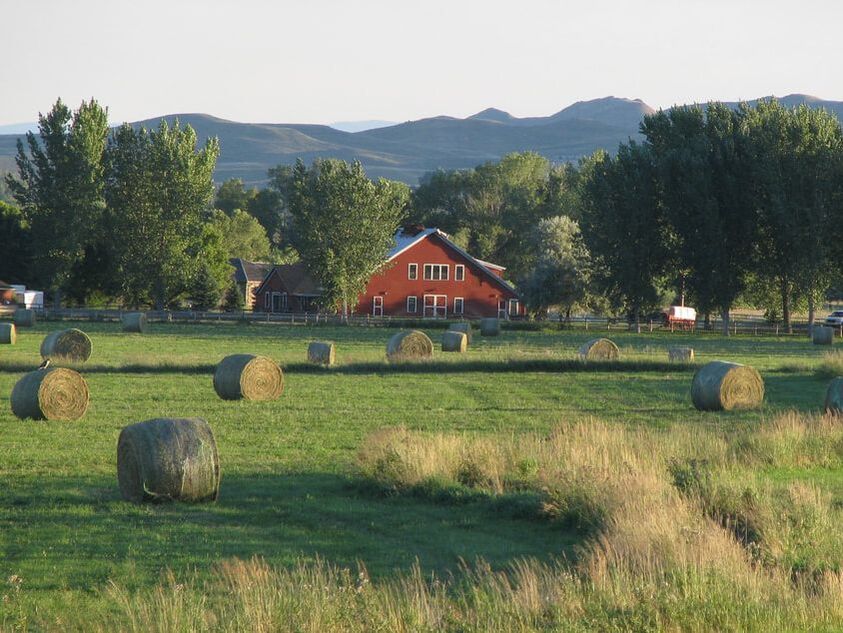
- Jentel — September 15 · $30 application fee; residency free, stipend provided. Three weeks on a working cattle ranch outside Banner, Wyoming, with a stipend toward living expenses. This deadline covers January–April 2027 — the big-sky winter sessions.
October
The second wave: fewer deadlines than September, but several of the most heavily funded calls of the year land here.
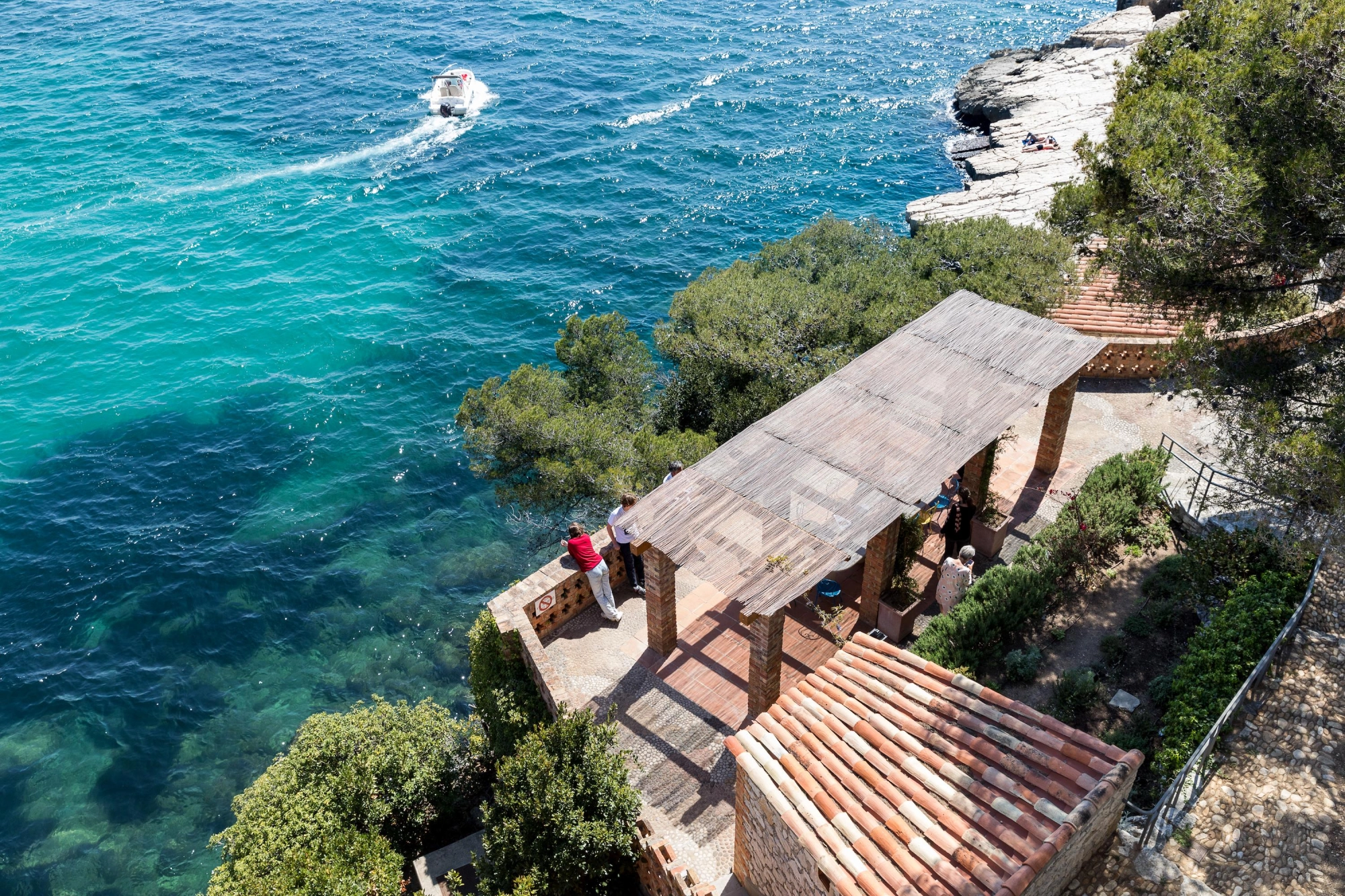
- Camargo Foundation — October 1 · no application fee. Fourteen fully funded ten-week fellowships a year — seven for artists, seven for scholars — on a clifftop campus in Cassis, France, with housing and a stipend. Open to all nationalities, and closes at 23:59 CET, which is mid-afternoon in the US. Don't learn that the hard way.
- Jan van Eyck Academie — October 1 · no application fee. A one-year post-academic residency in Maastricht with monthly stipend, private studio, and some of the best production facilities in Europe. Renewable for a second year.
- Archie Bray Foundation — October 1 · $225/month studio fee. One to three years on a 26-acre historic brickyard in Helena, Montana. If you work in clay, this is one of the world's premier addresses, and the long-term structure is rare in the field.
- Fogo Island Arts — October 15 · no application fee. Two to three months in the Todd Saunders–designed studios on the Newfoundland coast. Fully funded including travel, meals, and a materials budget — one of the most complete funding packages on this list.
- John Michael Kohler Arts Center — Arts/Industry — October 15 · $35 application fee. Two to six months working inside the Kohler Company factories in Sheboygan, Wisconsin — pottery, iron, and brass foundries — with weekly stipend, housing, materials, round-trip travel, and technical staff. About 14 artists a year get in. Nothing else is like it.
- Skowhegan — October 16 · application fee applies; tuition-based with substantial need-based aid. The nine-week 2027 summer session, June 5 – August 7, on 350 acres in Maine. Applications open September 1; the close date is reported as October 16 — confirm it when the portal opens. The cohort is the point here, and alumni will tell you it lasts decades.
November
Results from September start arriving, but a handful of major deadlines still close — including two of the most prestigious international calls of the year.
- American Academy in Rome — November 1 · application fee applies. The Rome Prize: about 30 fellowships for five or eleven months on the Janiculum, with stipends of $16,000 (half-term) or $30,000 (full-term) plus room, board, and studio. US citizens and permanent residents only. The application takes real time — start in September, not October 25.
- Wassaic Project — November 1 · $550/month rent. Eight months in a converted grain elevator in the Hudson Valley, with free studio space including the former grain silos. One of the strongest artist-run communities in the Northeast, priced far below what an eight-month NYC-adjacent studio otherwise costs.
- The Studios at MASS MoCA — November 1 · $550/month studio fee; financial aid and fully funded fellowships available. The general application for July–December 2027: two- or four-week stays with private studios on the museum campus. Apply through this general track rather than the early one if funding matters — general applicants are the ones eligible for aid and full fellowships.
- Aomori Contemporary Art Centre — November 15 · no application fee. Two to three months in forested northern Honshu, Japan, with studio, accommodation, a ¥150,000/month stipend, and wood and metal workshops. Community engagement is part of the model — go in wanting that.
- Bogliasco Foundation — November 25 · $30 application fee. One-month fellowships in a Ligurian fishing village near Genoa, with living quarters, private workspace, and full board. Open across the arts and humanities — the dinner-table conversations are half the value.
December
Mostly a rest month — but three deadlines are worth staying awake for.
- Penland School of Craft — December 1 · no application fee. The Core Fellowship: three years for emerging craft artists in clay, glass, iron, metals, fibers, print, photography, or wood, with studio, housing, meals, stipend, and access to every workshop on campus. For an emerging maker, this is arguably the single best deal in American craft.
- IASPIS — December 5 · no application fee. Two to six months in central Stockholm with a furnished studio-apartment and a SEK 15,000/month stipend. The catch, and it's a real one: international artists can't self-apply — you need a nomination from a peer or curator. If you want this, the work starts now, with the person who'd nominate you.
- Yaddo — December 20 · $35 application fee; residency free. The winter cycle, covering residencies from May 2027 through March 2028. Note the date: December 20, 11:59pm ET — it moved from the old early-January deadline, and every year artists miss it because they're planning around the old one.
January
The single densest deadline month of the year begins — and these five close before it ends.
- Copland House — January 8 · no application fee. The CULTIVATE residency: four to eight weeks for composers at Aaron Copland's National Historic Landmark home, with a Steinway, private room, meals, and stipend. Composers have far fewer purpose-built options than visual artists; this is one of the best.
- Chinati Foundation — January 15 · no application fee. Two to three months in Marfa, Texas, working alongside Donald Judd's permanent installations, with housing, studio, and stipend. The Chihuahuan Desert does something to studio practice that's hard to get anywhere else.
- Ucross Foundation — January 15 · $40 application fee; residency free. The Fall 2027 season: two- to six-week fully hosted stays — housing, studios, meals — on a 20,000-acre Wyoming ranch. Applications open November 1; confirm the window on Submittable when it does.
- Studio Museum in Harlem — January 31 · no application fee. Eleven months for three artists at the most influential institution dedicated to Black art, with studio, stipend, and a culminating exhibition. The alumni list — Kehinde Wiley, Mickalene Thomas, Njideka Akunyili Crosby, Simone Leigh — is its own argument.
- The Arctic Circle — January 31 · no application fee. The 2027 Summer Solstice Expedition: two to three weeks aboard a sailing tall ship in the Svalbard archipelago with roughly 30 artists, scientists, and architects. An expedition, not a studio residency — apply because the voyage itself is the work.
Now do the boring part
Twenty-five deadlines are useless in an article and dangerous in your memory. The artists who actually hit these dates do one unglamorous thing today: they put the reminders somewhere a machine will nag them.
That's what RMAR alerts are for. Open any residency above, tap the bell, and you'll get a deadline email before the call closes — 30 days out, 14, 7, and the day before, which is enough runway to write a real application instead of a panicked one. Circle your five to eight programs from this list, set the alert on each, and then close the tab and go back to the studio. September you has done everything January you needs.
Deadline alerts on every residency you save are included with RMAR Saver — $4/month or $35/year. Pick your programs from this list, tap the bell on each, and let the reminders do the remembering.