There's something about proximity to the ocean that reorganizes an artist's brain. The rhythm of tides, the horizontal line that goes on forever, the salt air that makes everything feel slightly more alive. These five residencies put you within earshot of waves — and each one offers a genuinely different relationship with the coast.
Ballinglen Arts Foundation — Ballycastle, County Mayo, Ireland
Ballinglen sits at the edge of Europe, on the wild north coast of County Mayo. The village of Ballycastle has a population of roughly 200. The nearest city, Ballina, is 18 kilometers away. The Atlantic is right there.
The foundation provides spacious, light-filled studios and comfortable apartments overlooking the bay. Residencies run for four weeks, and fellows are selected through an annual application. The program covers accommodation and studio — you fund your own travel and meals, though living costs in rural Mayo are low.
What draws artists back to Ballinglen is the landscape. The Céide Fields — the oldest known enclosed landscape in the world, 5,500 years old — are a short drive away. The cliffs at Downpatrick Head are staggering. Bogs, stone walls, and sheep extend in every direction. The light changes every fifteen minutes. Painters, in particular, tend to produce some of their best work here. The isolation is real, but it's generative — you'll have more uninterrupted studio time than you know what to do with.
Headlands Center for the Arts — Sausalito, California
Headlands is one of the great American residencies, housed in a converted military fort in the Marin Headlands, just across the Golden Gate Bridge from San Francisco. The Pacific Ocean is a five-minute walk from your studio.
The program provides live/work studios in the fort's historic buildings. Most residencies run for four to ten weeks. Headlands is well-funded — artists receive a stipend and have access to shared workshops including a print studio, woodshop, and darkroom. The cohort is typically eight to twelve artists, and the community dinners are legendary.
The headlands themselves are dramatic: fog rolls in from the ocean most afternoons, military bunkers dot the hillsides, and the Golden Gate Bridge glows red from certain vantage points at sunset. You're twenty minutes from San Francisco by car, which means you can engage with one of the country's strongest gallery scenes without sacrificing the quiet of your studio.
Fine Arts Work Center — Provincetown, Massachusetts
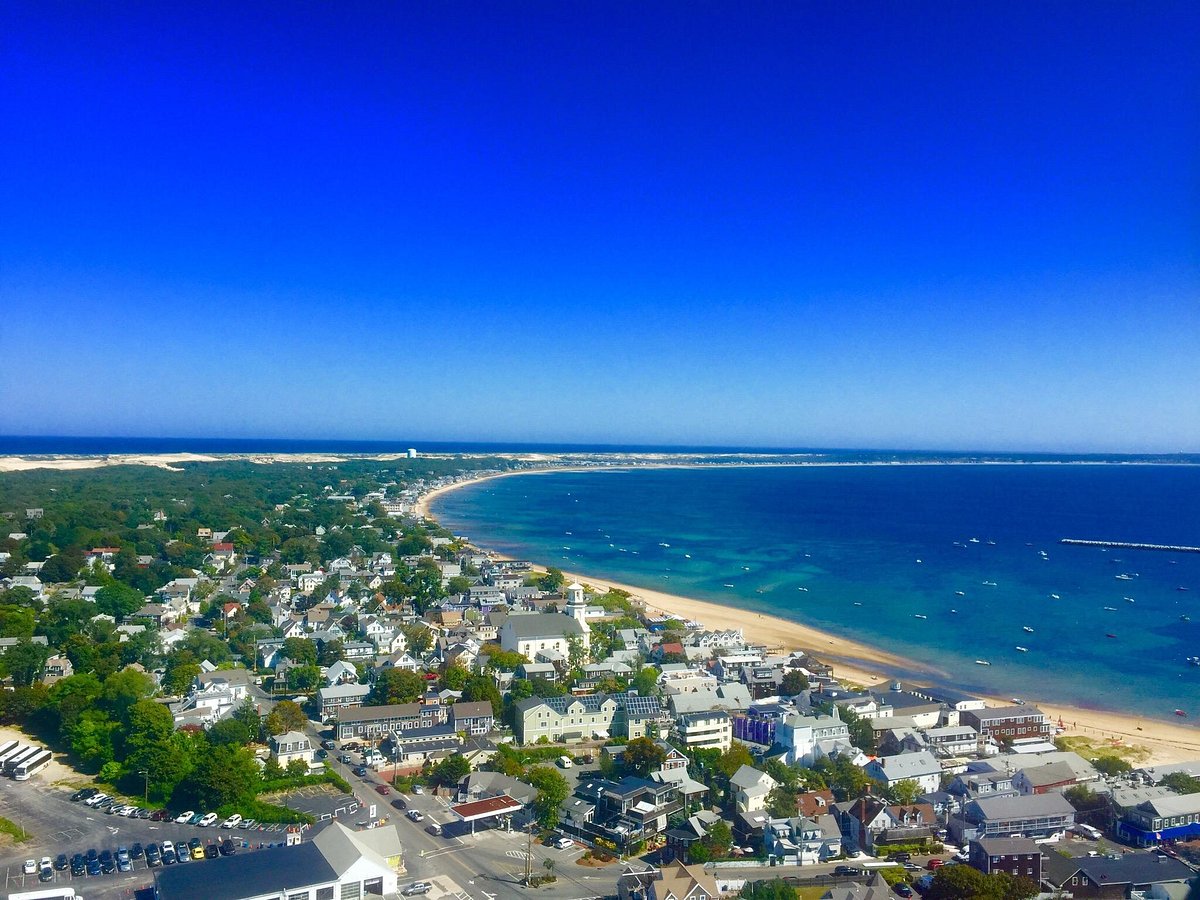
The Fine Arts Work Center occupies a special place in American art history. Founded in 1968, the seven-month fellowship (October through April) gives visual artists and writers free housing, studio space, and a monthly stipend in Provincetown — a small town at the very tip of Cape Cod, surrounded on three sides by the Atlantic.
Provincetown in winter is nothing like Provincetown in summer. The tourists leave, the population drops to a few thousand, and the town becomes a quiet, slightly surreal place — all dunes and gray ocean and the extraordinary Cape light that has drawn artists since Charles Hawthorne opened his painting school here in 1899. The fellowship year is long enough to develop a sustained body of work, and the community of fellows and former fellows forms a durable professional network.
Bundanon — Illaroo, New South Wales, Australia
Bundanon is the former property of Australian painter Arthur Boyd, who donated his 1,000-hectare estate on the Shoalhaven River to the Australian people in 1993. The residency program occupies several buildings on the property, including a new Kerstin Thompson–designed art museum that opened in 2022.
The Shoalhaven River meets the Tasman Sea nearby, and the property spans bushland, pasture, and riverbank. Residencies run for two to four weeks, with studio space, accommodation, and meals provided. The landscape is quintessentially Australian — eucalyptus forest, sandstone escarpments, and the sound of kookaburras at dawn.
Bundanon is best for artists who work responsively to landscape and ecology. The indigenous Yuin people's deep connection to this country adds layers of meaning that Boyd himself spent decades exploring. The residency encourages engagement with the land — walks, river swimming, and the particular silence of the Australian bush.
Sitka Center for Art and Ecology — Otis, Oregon
Sitka Center sits on Cascade Head, a UNESCO Biosphere Reserve on the Oregon coast. The Pacific stretches out below, and the Salmon River estuary winds through the meadows behind the center.
Residencies run for two to four weeks, with individual cabins, studio space, and access to the surrounding wilderness. Sitka's focus on the intersection of art and ecology attracts artists whose work engages with environmental questions — but the program is open to all disciplines. The forest walks, tide pools, and ever-changing Oregon coast light make it nearly impossible not to respond to the place.
What unites these five residencies is a conviction that place matters — that where you make art shapes what you make. The ocean doesn't care about your artist statement or your CV. It just keeps going, and somehow that's exactly what you needed to hear.
:max_bytes(150000):strip_icc():format(webp)/TAL-filled-tsa-tray-TRAVTREND0924-4a154717850343c088927dc828bd5d2e.jpg)