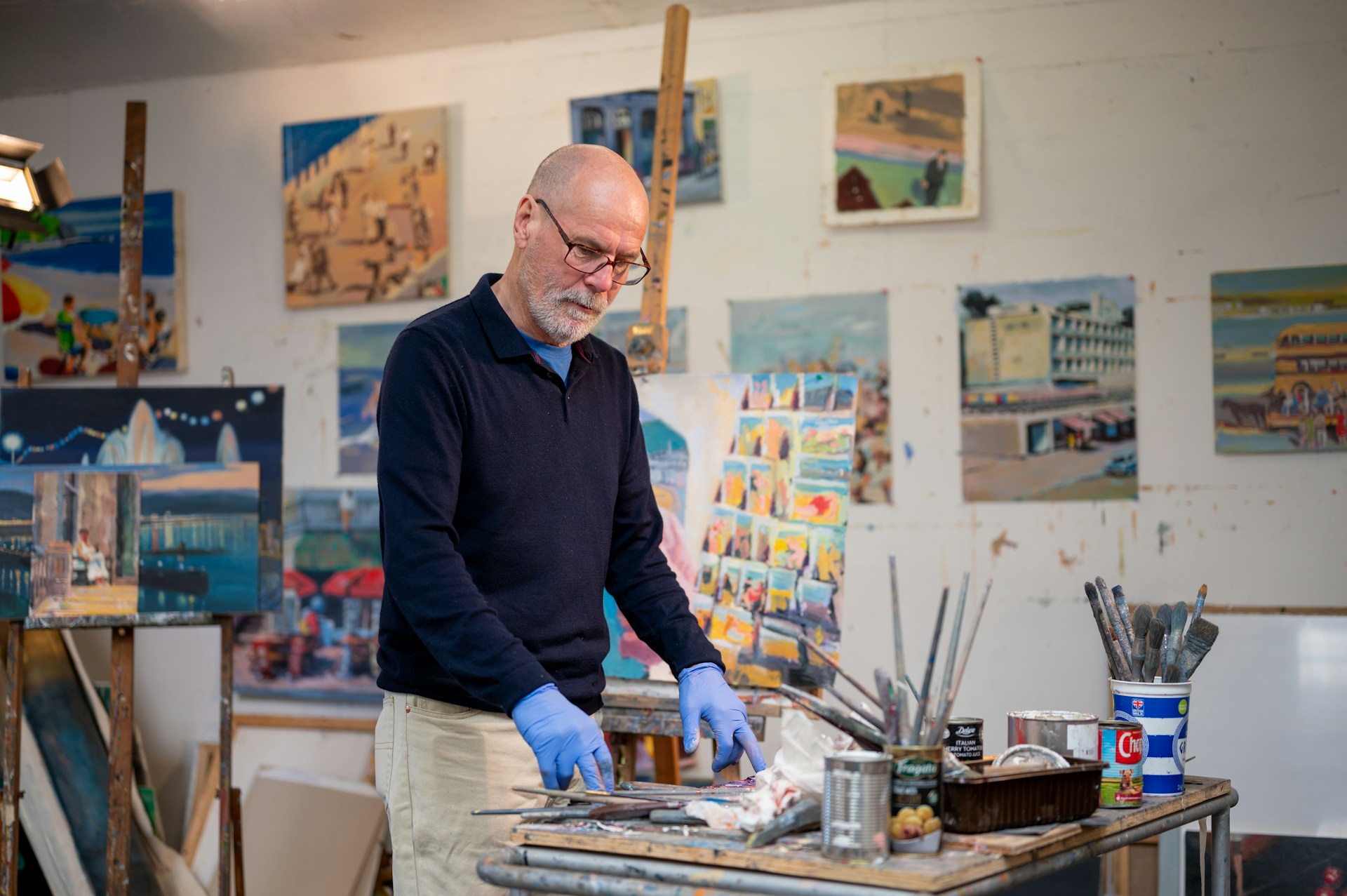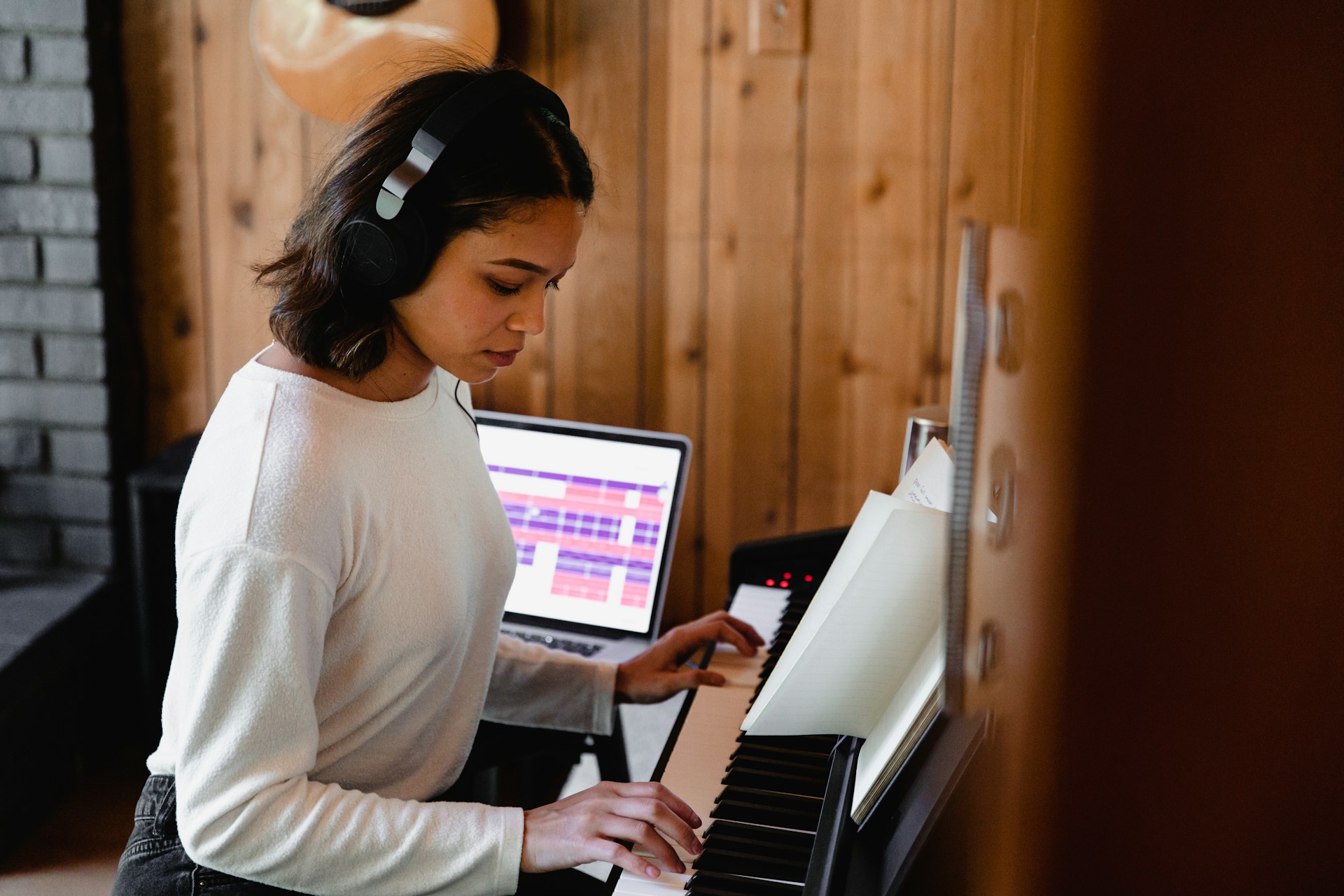
Applying to residencies is an act of faith. You gather your best work, distill your practice into a few hundred words, and send it to strangers who will decide — often in minutes — whether your art merits a room, a studio, and uninterrupted time. It's vulnerable. It's exhausting. And it's worth doing well.
These ten books won't write your application for you, but they'll sharpen how you think about your practice, your career, and the creative life you're building. Some are practical. Some are philosophical. All of them have been recommended, unprompted, by working artists we've talked to.
On Creative Practice
1. The Creative Act: A Way of Being — Rick Rubin
Rick Rubin has spent four decades producing music across every genre imaginable — from the Beastie Boys to Johnny Cash to Adele. This isn't a music book, though. It's a meditation on the habits of awareness, openness, and discipline that underlie all creative work. The chapters are short and non-linear — you can open to any page and find something useful. It's the kind of book that changes depending on when you read it. Perfect for dipping into during a residency.
2. The War of Art — Steven Pressfield
The cult classic on Resistance — the invisible force that keeps you from doing your work. Pressfield names every flavor of procrastination, self-doubt, and self-sabotage that artists know intimately, then dismantles them one by one. It's blunt, almost aggressive, and exactly what you need to read the night before a residency application deadline when you're tempted to convince yourself your work isn't ready.
3. Big Magic: Creative Living Beyond Fear — Elizabeth Gilbert
Where Pressfield is a drill sergeant, Gilbert is a wise friend. Big Magic argues for curiosity over fear, for pursuing creative work even when it doesn't pay, and for the radical idea that creativity is supposed to be enjoyable. Gilbert's take on inspiration — that ideas are living entities looking for human collaborators — sounds mystical but lands as surprisingly practical advice: show up, be available, do the work.
4. Keep Going: 10 Ways to Stay Creative in Good Times and Bad — Austin Kleon
The third book in Kleon's trilogy (after Steal Like an Artist and Show Your Work), and the one that matters most when you're in the trenches. Ten illustrated principles for sustaining a creative life when motivation runs out, rejection piles up, or the world feels like too much. Short enough to read in an afternoon, useful enough to revisit every few months. The chapter on "plant your garden" — about tending daily creative habits rather than chasing outcomes — is worth the price alone.
On the Art Career
5. Art/Work — Heather Darcy Bhandari & Jonathan Melber
The definitive practical handbook. Covers pricing, contracts, gallery relationships, grants, residency applications, taxes, studio visits, and a hundred other things that MFA programs don't teach. It's organized as a reference — you don't read it cover to cover, you grab it when you need to know how to write a cover letter for a grant or what percentage a gallery takes. Every working artist should own a copy.
6. The Artist's Guide — Jackie Battenfield
Written by a working artist (not a consultant or academic), Battenfield's guide is warmer and more personal than Art/Work. It covers similar ground — grants, residencies, networking, financial planning — but through the lens of real artists' experiences, including extensive interviews. Particularly strong on residency applications and how to present your work to selection committees.
On Seeing and Thinking
7. Art Spaces Directory — Various
Not a book you read cover to cover, but an essential reference. This comprehensive directory catalogs art spaces around the world — galleries, residencies, project spaces, and artist-run initiatives. Flip through it when you're researching where to apply next, or use it to discover spaces in cities you're visiting. A physical reminder of how vast and varied the art world actually is.
A series of regional field guides profiling small, emerging, and unconventional artist residencies across America. Four books so far — Northwest, Northeast, Southwest, and Midwest — each covering 13–18 residencies, with the Southeast in the works. Designed to be taken on road trips and dog-eared, they're an invaluable resource for discovering residencies you won't find on the usual lists.
On Sustaining Yourself
9. Upstream: Selected Essays — Mary Oliver
Mary Oliver's prose is as precise as her poetry. These essays on attention, nature, and the discipline of creative work are the literary equivalent of a long walk in the woods. Oliver writes about what it means to really look at the world — a skill that matters as much in the studio as it does on a trail. Read "Of Power and Time," her essay on what it takes to do creative work, and you'll understand why this book shows up on so many artists' shelves.
10. Daily Rituals: How Artists Work — Mason Currey
A collection of 161 brief profiles describing the daily routines of writers, composers, painters, scientists, and other creative minds. Beethoven counted exactly 60 coffee beans per cup. Twyla Tharp wakes at 5:30am and takes a cab to the gym. Kafka wrote from 11pm to 3am. The book is oddly reassuring — there is no single right way to organize a creative life, and the sheer diversity of approaches gives you permission to build your own rhythm. Essential reading before a residency, when you'll finally have the freedom to design your ideal working day.
No book will get you into a residency. Your work does that. But these ten will help you think more clearly about your practice, present it more effectively, and sustain yourself through the long game of building a creative life.
The best time to read them is now — before the next deadline.
Some links in this article are affiliate links. If you purchase through them, RMAR earns a small commission at no extra cost to you — it helps keep this site running.